

A casino’s approach to VPN connections can affect access, location checks, account verification and withdrawals.
What “VPN-Friendly” Means on an Online Casino
A VPN-friendly casino is an online gambling site that lets players connect while using a virtual private network, or VPN. The phrase describes the site’s approach to VPN connections; it does not describe a particular game, payment method or type of VPN. It also does not mean that every casino will treat VPN use in the same way.
A VPN creates a connection between your device and a remote network. When you use one, the casino sees a connection arriving through that network rather than a direct connection from your usual internet address. Whether that connection is accepted depends on the casino. A site that permits VPN access is commonly called VPN-friendly; one that blocks such connections is not.
That distinction matters because “VPN-friendly” is not a formal licence category or a guarantee of access. It is a practical description of how an operator handles visitors connecting through a VPN. The label alone does not tell you which countries the casino accepts, what its account rules say, or whether all VPN connections will work. Those details belong to the operator’s own terms and policies.
If you’re looking for a VPN-friendly casino in the UK, check each operator’s VPN and account rules before signing up; the information available here does not confirm VPN access. Use the payout details below as one practical point of reference.
1. NightLuck
Payout speed: 1-3 business days NightLuck has a stated payout speed of 1–3 business days. No VPN-specific details are available here, so check its rules before using a VPN.
2. Dieselwin
Payout speed: 1-3 business days Dieselwin has a stated payout speed of 1–3 business days. No VPN-specific details are available here, so check its rules before using a VPN.
3. SlotoSport
Payout speed: 1-3 business days SlotoSport has a stated payout speed of 1–3 business days. No VPN-specific details are available here, so check its rules before using a VPN.
4. Britsino
Payout speed: 1-3 business days Britsino has a stated payout speed of 1–3 business days. No VPN-specific details are available here, so check its rules before using a VPN.
5. WinBeast
Payout speed: 1-3 business days WinBeast has a stated payout speed of 1–3 business days. No VPN-specific details are available here, so check its rules before using a VPN.
6. NightWin
Payout speed: 1-3 business days NightWin has a stated payout speed of 1–3 business days. No VPN-specific details are available here, so check its rules before using a VPN.
7. BeOnBet
Payout speed: 1-3 business days BeOnBet has a stated payout speed of 1–3 business days. No VPN-specific details are available here, so check its rules before using a VPN.
8. Revery Play
Payout speed: 1-3 business days Revery Play has a stated payout speed of 1–3 business days. No VPN-specific details are available here, so check its rules before using a VPN.
9. Jetsetspins
Payout speed: 1-3 business days Jetsetspins has a stated payout speed of 1–3 business days. No VPN-specific details are available here, so check its rules before using a VPN.
10. Amunbet
Payout speed: 1-3 business days Amunbet has a stated payout speed of 1–3 business days. No VPN-specific details are available here, so check its rules before using a VPN.
VPN-friendly casinos are mostly offshore operators, with licences in places such as Curaçao, the Isle of Man and Malta. “Offshore” here means that the operator is based or licensed outside the UK. It does not mean that the casino is automatically accessible to every player, or that its VPN policy is identical to another offshore casino’s. The label identifies a broad group, not a single shared operating model.
It also helps to separate the casino from the VPN service. The casino is the gambling site where you create an account and play. A VPN provider supplies the connection route. Searching for a VPN for an online casino can blur those two things, but they are separate services with different terms. A casino’s willingness to accept a VPN connection does not amount to a recommendation of a particular VPN provider.
The wording can be confusing because people use several versions of the same idea: a VPN casino, an online casino that allows VPN connections, or a VPN-friendly online casino. In each case, the central point is whether the gambling site permits connection through a VPN. The wording does not establish that the operator is licensed in the UK, nor does it tell you how the site handles other account requirements.
A VPN-friendly casino should not be confused with a casino that requires you to use a VPN. The label means that VPN connections are allowed in some form, not that they are necessary to register or play. Nor should it be read as a promise that a connection will remain available in every circumstance. The term is a useful shorthand, but the operator’s written conditions are more specific than the label.
Anjouan Casino Licence in the UK: What It Means · Non-UK-Registered Casinos: Regulation and Risks
The phrase “best online casino VPN” can also mean two different things. Someone may be looking for a casino that accepts VPN connections, or for a VPN service to use while gambling. Those are not interchangeable choices. A casino’s own rules determine whether it accepts VPN access; choosing a VPN service does not change those rules.
For the same reason, a VPN-friendly casino is not a special kind of software. It is still an online gambling site, while the VPN is a separate tool used to route your internet connection. The casino’s description of itself may use terms such as “VPN-friendly” or “VPN accepted”, but the practical meaning comes from its stated conditions, not the label on a page or in an advert.
If you encounter “online casinos with VPN” or “online casino VPN-friendly” language, treat it as a description to clarify rather than a complete account of the site. Look for the operator’s own explanation of VPN access and its stated licensing jurisdiction. This keeps the basic terms clear: the VPN provides a connection route, the casino decides whether to accept that connection, and most VPN-friendly casinos are offshore operators.
What to Weigh Before Considering an Offshore Casino
An offshore casino that accepts VPN connections may appear to offer a way to access gambling services that are otherwise unavailable through your usual route. But access is only one side of the decision. The central trade-off is that playing at an offshore casino means giving up UK consumer protections, while the site’s own terms determine what happens to your account and funds.
Loss of Protection
Playing at an offshore casino means giving up UK consumer protections, leaving you with less recourse if a dispute arises over your account or funds.
That difference matters most when something goes wrong. If you have a complaint about a UKGC-licensed operator, you are dealing with a business within the UK regulatory system. An offshore operator sits outside that system and is not required to provide the same UK protections. You should not assume that familiar safeguards or routes for resolving a problem will apply simply because the site accepts players connecting from the UK.
Before you deposit, consider what you would do if the casino disputed a withdrawal, closed your account or interpreted its terms differently from you. The possibility of a problem does not mean every offshore casino will act unfairly. It does mean that your position is less protected if a disagreement arises. A site’s claim that it accepts VPN users is not, by itself, a guarantee that your access or winnings will be protected.
Self-exclusion is a separate concern
Offshore casinos do not provide GamStop self-exclusion tools. If you rely on GamStop to prevent yourself from gambling with participating UK operators, do not assume that the same block will apply at an offshore casino. A VPN-friendly site may remain accessible even when you have taken steps to restrict your gambling elsewhere.
That can make access a risk rather than a benefit. If you are trying to avoid gambling, a site that is outside the tools you rely on may undermine the boundary you have set. It is worth considering this before creating an account, not only after you have made a deposit. If you want to stop or limit your gambling, do not treat an offshore casino as part of a self-exclusion arrangement.
Non-UK Licence Casinos: Regulation and Checks
This point also matters if your circumstances change. You may feel comfortable with access now but later decide that you need stronger barriers. Since offshore casinos do not provide GamStop, you should not expect that registering with the scheme will block them. Think about whether the ability to reach such a site is consistent with the limits you want to keep.
Weigh access against the protection you lose
A search for the best VPN-friendly casino or crypto casino can make the choice look like a comparison of features. That is not enough to judge the risk. An attractive range of games, payment options or an offer does not replace UK consumer protection, and none of those features tells you how a dispute will be handled. Consider the protections you are giving up before weighing any convenience.
Read the operator’s terms with particular attention to who it accepts, what conditions apply to withdrawals and when it can close an account. If a term is unclear, do not assume that the interpretation most favourable to you will prevail. Keep in mind that access through a VPN does not establish that the casino is willing to serve UK players under its terms.
Avoid treating other players’ favourable accounts as a substitute for protection. A positive report describes one person’s experience; it does not guarantee the same outcome for you. Likewise, a list calling certain sites the best VPN casinos cannot make an offshore operator part of the UK regulatory system. The practical question is not simply whether you can connect, but what recourse you would have if access or payment became contested.
Do
- Read the operator’s terms regarding withdrawals and account closures
- Keep your own records of transactions and the terms you relied on
Don’t
- Assume favorable reports from other players guarantee your outcome
- Deposit more money to resolve a withdrawal delay or disagreement
Your budget is another part of the decision. Only consider gambling with money you can afford to lose, and do not deposit more in response to a delay or disagreement. If a withdrawal or account decision leaves you worried, adding funds may increase your exposure without resolving the underlying issue. Keep your own records of the terms you relied on and the transactions you make, but do not mistake record-keeping for a guarantee of recovery.
There is no need to make a decision based on a label such as “VPN-friendly” alone. That label describes access, not the level of protection available to you. If the loss of UK consumer protections or the absence of GamStop tools would leave you uncomfortable, that is a material reason to step away, regardless of how straightforward the site appears to use. A careful decision begins with the limits of the arrangement, not with the appeal of getting through.
How VPN Use Can Affect Location Checks and KYC
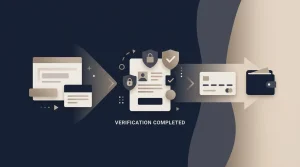
A VPN changes the IP address a casino sees by routing your connection through another server. That can make your connection appear to come from a different place, but it does not change where you live or establish who you are. Location checks and know-your-customer (KYC) checks answer different questions, and passing—or obscuring—one does not complete the other.
Jackpot Mobile Casinos in the UK: Games and Play
For UKGC-licensed operators, checking a player’s location is a legal requirement. A VPN can therefore cause a connection to be blocked if the operator cannot establish that you are in a permitted location, or if its systems identify the connection as coming through a VPN. A different IP address is not a reliable substitute for the operator’s location check. It may create an inconsistency that needs resolving rather than granting access.
KYC is a separate process focused on identity. An operator may ask for documents to confirm that the account belongs to you. The fact that a VPN changes the IP address does not remove that requirement, and it does not make an account anonymous. In practice, the location associated with a connection and the identity attached to an account are distinct checks. A casino can still ask you to verify your details even if it has accepted the connection.
Why a VPN does not replace identity checks
It is easy to confuse an IP address with proof of identity because an IP address can be used to estimate where a connection originates. But it does not tell the casino, by itself, who is using the account. KYC addresses that separate question. If the operator requests verification, the VPN does not provide the information needed to satisfy it.
This distinction matters when you are considering a VPN-friendly casino. Some offshore casinos may let players make smaller withdrawals without first supplying documents, then request KYC when a withdrawal passes a higher threshold. One reported threshold is often £1,000 or its equivalent in cryptocurrency. That is not a promise that verification will wait until that point: an operator’s own terms and checks determine when it asks for documents.
KYC Thresholds
Some offshore casinos may allow smaller withdrawals without documentation, but often request KYC verification once a threshold, such as £1,000 or its crypto equivalent, is reached.
If a document request arrives, it can affect whether a withdrawal is processed while the account is being checked. Before depositing, read the casino’s verification terms and look for when checks may occur, what information may be requested, and whether the account holder’s location is eligible. Do not assume that a small withdrawal without documents means the account has been fully verified or that later checks will not apply.
A mismatch between the details supplied to the casino and the connection it detects can also draw attention to the account. Using a VPN to make your location appear different does not resolve such a mismatch; it can make the operator question whether the account complies with its rules. If the casino treats location masking as a breach, the result may be account closure and confiscation of winnings. The possibility is particularly important where the site’s terms do not permit players connecting from the UK.
What to check before a withdrawal
Check the operator’s rules before you play, not only when a withdrawal is pending. Note whether KYC can be requested at any stage, whether a stated withdrawal threshold triggers additional checks, and how the casino handles an account whose location cannot be confirmed. Keep your account information accurate and do not treat a VPN as a way to avoid verification.
USA Casinos for UK Players: What to Check
A VPN-friendly casino may accept a VPN connection, but that does not mean every VPN connection will be accepted in every circumstance, or that the operator will waive identity checks. Its location controls and KYC requirements remain separate. If the site asks you to verify your identity, changing the IP address will not satisfy that request; if it cannot confirm that you meet its location rules, access or withdrawal may be affected.
What Happens When You Use a VPN to Gamble
A VPN routes your internet traffic through a server elsewhere and replaces the IP address visible to websites with the server’s address. If your internet service provider restricts access to a gambling site, connecting through a network outside the UK may get around that access block. This changes how your connection appears; it does not change where you are physically located or whether the casino accepts customers in the UK.
There is also a privacy effect. A VPN encrypts the connection between your device and the VPN service, making the information harder for hackers or cybercriminals to intercept on the way. That protection is not a guarantee against every online threat, and it does not make your activity invisible to the casino. The operator may still record information about your account and connection.
Using a VPN for online gambling is not, by itself, a criminal offence under UK law. That is different from saying a casino permits it. The operator’s terms determine whether VPN connections are accepted, and a site can refuse access even if using the technology is not criminalised. Most UKGC-licensed operators block VPN connections, so do not assume that a connection working at first means the operator allows it.
Attention: If you use a VPN to hide your location from a casino that does not accept UK players, the operator may close your account and confiscate your winnings.
The main practical risk is hiding your location from a casino that does not accept players connecting from the UK. If the operator later decides that you breached its terms, it may close your account and confiscate winnings. A successful login or deposit does not settle the question: the site may review the account later, including when you try to withdraw.
A casino’s VPN policy can also change without notice. A connection that worked previously may be blocked later, or the operator may begin enforcing its terms more strictly. Read the current terms before accessing the site and check whether they permit VPN use and UK customers. If the terms prohibit UK players, connecting through another country does not make you eligible; playing from the UK could still lead to account closure after a win.
If the casino explicitly permits VPN use, keep the connection consistent throughout the gambling session rather than switching it on and off. Changes in the apparent connection can trigger automated checks, and consistency does not override the operator’s rules or guarantee that the account will remain open. Do not treat a VPN as a way to conceal your location from a site that has restricted access.
So, can you play at an online casino while connected to a VPN? Technically, a VPN may let you reach a site that your provider blocks, and it can encrypt your traffic. Whether you can use it without breaching the casino’s terms is a separate matter. Before you deposit, confirm that the operator allows both VPN connections and players located in the UK. If either condition is unclear, do not rely on the fact that the site loads as proof that your account and winnings are protected.
Trusted UK Casino Checks: Licence, Limits and Terms
Crypto and Bitcoin: What They Change—and What They Don’t
Using Bitcoin or another cryptocurrency to deposit can make the initial payment process feel less tied to your location. A crypto transaction does not work like a card payment routed through a bank, and some offshore casinos may apply fewer location checks or ask for less identity paperwork when the amounts involved are small. That can reduce friction at the point of deposit, but it does not make a VPN casino anonymous.
The distinction matters. A payment method is only one part of the information an operator can use when assessing an account. Even when you deposit crypto, the casino can still collect your device fingerprint, IP logs and browser data. A VPN changes the IP address visible to a site, but it does not erase other signals or guarantee that the connection will be accepted. Nor does paying in Bitcoin prove that you are eligible to use the casino from the UK.
Crypto does not replace verification
A crypto deposit may not prompt the same checks as a bank-card payment, particularly when the amount is small. That is a practical difference, not a promise that checks will never happen. An operator can ask for identity documents later, and a withdrawal request may bring the account under closer review. If that happens, the fact that your balance came from a crypto wallet does not remove the need to satisfy the casino’s verification requirements.
Crypto Limits
Cryptocurrency may reduce deposit-stage friction for small amounts, but it does not replace identity verification or guarantee UK access.
Keep the details consistent. The name and information on your account should be accurate, and you should be able to explain the source of funds if asked. Do not assume that a wallet address, a VPN connection or a completed blockchain transaction will settle an identity or eligibility question. These systems answer different questions: a transaction can show that cryptocurrency moved, while account checks concern who is using the site and whether the operator will process the request.
The same caution applies to claims that a crypto casino is “VPN-friendly”. That label may describe a site’s current approach to VPN connections, but it does not establish that every VPN location, account or transaction will be accepted. Policies can change, and an operator may review a session or payment even if an earlier deposit went through without difficulty.
What payment privacy does—and does not—mean
Crypto can reduce the amount of payment information shared with a card issuer, but it should not be confused with privacy from the casino itself. The operator may retain technical records about your visit and use them alongside account and payment activity. A VPN does not prevent that collection, and cryptocurrency does not conceal your browsing behaviour from the site.
Nor does either tool make a misleading location safe. If you use a VPN to hide where you are, the casino may close your account and confiscate winnings. That risk is separate from how you funded the account. Using crypto cannot reverse a breach of the operator’s terms, and it does not ensure that a disputed balance will be paid.
Non-UK-Regulated Casinos: UK Rules and Risks
There is also a practical difference between a payment being sent and a casino authorising a withdrawal. A specialist review describes crypto withdrawals at VPN-friendly casinos as being processed within minutes to a few hours. Treat that as a time reported by that kind of source, not a dependable promise for your account: operator checks, network conditions and the casino’s own process can affect what happens. The next step is to check the operator’s stated withdrawal terms before depositing, rather than assuming a crypto payment will make a payout immediate.
A more careful way to assess a crypto casino
Before sending funds, read the casino’s terms for UK eligibility, VPN use and verification. Check whether the operator can request documents before a withdrawal and what happens if it decides your location or account details do not meet its rules. If those terms are unclear, a successful deposit is not evidence that a later withdrawal will be straightforward.
Also consider the wallet transfer itself. Crypto transactions are not the same as card payments, and sending funds to the wrong address or using an unsupported network can create a separate problem from casino verification. Confirm the payment instructions shown by the operator and make sure you understand the transaction before authorising it. A VPN does not protect you from an error in a wallet transfer.
The useful takeaway is limited but important: crypto may mean fewer checks at the deposit stage for small amounts, while leaving the casino’s ability to collect technical data and request verification intact. It does not make a VPN undetectable, guarantee UK access or remove the consequences of breaking the site’s terms.
Before Depositing
- Confirm the operator allows both VPN connections and UK players
- Check the withdrawal limits and verification requirements
- Verify that the deposit method is also available for withdrawals
- Review the jurisdiction and licensing of the offshore operator
Withdrawal Methods and the Delays to Check Before Depositing
A withdrawal time is useful only if you know what it measures. A casino may quote the time it takes to approve a request, the time it takes to send the payment, or an estimate covering both. Check the wording in the payment and withdrawal terms before depositing; a stated processing window is not a promise that funds will reach your account by a particular date.
For VPN-friendly casinos, one specialist review reports fiat withdrawals by e-wallet or bank transfer as taking 1–5 days. Treat that as a reported estimate, not a standard that applies across offshore operators. The same review-based information puts e-wallet withdrawals at about a day. These figures are not necessarily contradictory: the broader range includes bank transfers as well as e-wallets, while the shorter estimate refers to e-wallets alone.
Crypto is often described differently. A specialist review reports crypto withdrawals as being processed within minutes to a few hours. That is a reported processing window, not a guarantee of when a transaction will be available to you. Check whether the casino distinguishes its own approval time from the payment processing time, and read the terms for the particular currency and method you intend to use.
| Method | Reported timing | What to check |
|---|---|---|
| E-wallet | About a day | Whether this refers to approval, payment processing or the full withdrawal |
| Bank transfer | Included in a specialist review’s 1–5-day estimate for fiat withdrawals | Whether the estimate covers the casino’s processing and the transfer |
| Crypto | Minutes to a few hours, according to a specialist review | Whether the stated window is for casino processing or the transaction as a whole |
Bank-card withdrawals are uncommon at VPN-friendly casinos, according to a specialist review. Do not assume that the card used for a deposit will also be available for withdrawals. If you expect to receive funds by card, confirm that the casino offers that route before sending money; otherwise, you may need to use another supported method.
The payment method is only one part of the delay. The casino’s terms may set withdrawal limits or other conditions, so check those before depositing rather than after a win. Make sure the chosen method is available for both deposits and withdrawals, and note any stated time estimates alongside the rules that apply to your account. Where the published information is unclear, do not treat the shortest quoted time as the likely outcome.
A practical comparison should therefore focus on the exact method, the casino’s own terms and the scope of each time estimate. A reported e-wallet estimate of about a day cannot be applied to a bank transfer, and a crypto processing claim does not establish how quickly every withdrawal will be completed. Keep a record of the stated method and timing before you deposit, so you can compare any later delay with what the operator actually disclosed.
Are VPN Casinos Allowed for UK Players?
The answer depends on what “allowed” means. UK law does not criminalise a resident simply for using a VPN to gamble, or for playing at an offshore casino. That does not make the casino a UK-licensed site, nor does it mean a VPN gives you permission to use a service whose terms exclude players in the UK.
UKGC Licensing Requirements
A business offering remote gambling to consumers in Great Britain must hold a UKGC operating licence, regardless of where its servers or equipment are located. Offshore licences do not replace this requirement or provide the same regulatory protections.
The key distinction is between the player and the operator. The UK Gambling Commission (UKGC) regulates commercial gambling in Great Britain, including online casinos. A business offering remote gambling to consumers in Great Britain must hold the relevant UKGC operating licence, even if its servers or other key equipment are based elsewhere. The location of the company’s equipment does not remove that licensing requirement.
The UKGC is the sole regulator for commercial gambling in Great Britain. It issues operating licences to businesses and personal licences to individuals working in regulated roles. A casino licensed only offshore is outside this UKGC licensing system. It is not regulated by the UKGC and is not required to follow UK gambling laws and standards as a UKGC-licensed operator would.
That distinction matters even if a site is accessible from the UK. Being able to open a casino website, create an account or connect through a VPN does not establish that the operator holds permission to serve customers in Great Britain. Nor does an offshore licence become a UKGC licence because you are physically in the UK or because the casino accepts your registration.
For you as a player, the position is different: playing at an offshore casino is not itself a criminal offence under UK law. But you should not read that as official approval of the site or as a guarantee that UK rules protect you there. The operator remains outside the UKGC regulatory framework, and you may have fewer routes for resolving a dispute than you would with a UKGC-licensed casino.
A VPN does not alter either side of this legal distinction. It changes the apparent network location from which you connect; it does not change where you are, grant the operator a UKGC licence or turn an offshore site into a UK-regulated service. Whether a casino accepts VPN connections is a separate matter from whether it is authorised to offer remote gambling to people in Great Britain.
Casino Types & Safety: UK Licensing and Access
So, are VPNs allowed at online casinos? There is no single answer for every site. UKGC-licensed casinos generally set their own connection rules, while offshore operators may accept VPN traffic but still exclude UK residents under their terms. If you access a site contrary to those terms, the operator may act against your account. A VPN should not be treated as a legal workaround or as evidence that a casino is authorised to serve you.
The practical point is to separate three questions: whether your own use is criminalised, whether the operator has a UKGC licence, and whether its terms allow you to play from the UK. Those answers are not interchangeable.
How to Read a Casino Site’s VPN Terms Before You Sign Up
Look beyond a banner saying that VPN connections are accepted. The terms should explain whether VPN use is permitted, which countries are eligible, and whether players based in the UK may open and use an account. A site can allow VPN connections while still excluding UK residents.
Online Casino No Registration UK: How It Works
If the terms prohibit UK players, playing from the UK may lead to account closure after a win. Read the eligibility rules before registering, rather than relying on what the site appears to allow at sign-up. Keep a copy of the relevant terms in case the wording changes or a dispute arises.
Check the operator’s stated jurisdiction and licensing details as well. VPN-friendly casinos are mostly offshore operators, including those licensed in Curaçao, the Isle of Man and Malta. Playing at an offshore casino means giving up UK consumer protections; its terms and licence do not provide the same safeguards as a UKGC-licensed operator.
Before depositing, find the withdrawal limits and any conditions that could affect access to your balance. Make sure the terms explain how those limits apply, and whether the casino can restrict or refuse withdrawals if it considers the account ineligible. If the rules on UK access, VPN use or withdrawals are unclear, treat that uncertainty as a practical risk—not as permission to proceed.
Should you use a VPN for online casinos?
Only if you have checked the casino’s rules and understand the risks. UKGC-licensed casinos generally block VPN connections, while offshore casinos may accept them but do not provide the same UK consumer protections or GamStop tools.
Can I use a VPN to play at online casinos in the UK?
Yes, using a VPN to gamble online is not criminalised by UK law, but most UKGC-licensed casinos block VPN connections. Offshore casinos may allow them, though you give up UK consumer protections.
How do I withdraw winnings from a VPN casino?
Check the casino’s withdrawal terms and be prepared to complete KYC verification, especially for a larger withdrawal. Fiat withdrawals by e-wallet or bank transfer typically take 1–5 days; crypto withdrawals take minutes to a few hours, and bank card withdrawals are rare.
Are VPN-friendly casinos legal for UK players?
It is not illegal for a UK resident to play at an offshore casino, and using a VPN to gamble is not criminalised by UK law. However, offshore casinos do not provide UK consumer protections.
Is it illegal to use a VPN to gamble in the UK?
No. UK law does not criminalise using a VPN to gamble online, although individual casinos may block VPN connections under their own rules.
Why do UK players use VPNs for casinos?
A VPN can mask your IP address and route your connection through a network outside the UK, which may bypass some access restrictions. It also encrypts your connection and can help protect personal information from cybercriminals.
Material created by the team LottoGo