

Keno combines random draws with payout rules that vary by game, so comparisons should cover more than the available betting options.
Keno’s Random Draws and the House Edge
Online keno uses a random number generator, or RNG, to select the numbers in each draw. The software produces the outcome rather than responding to a player’s choice of spots. Selecting numbers manually, using an automated selection or changing your choices between games cannot steer that process. In legitimate keno, a number is not more likely to appear because it has been chosen often, or because it has not appeared recently.
That randomness can make results feel difficult to interpret. A run of catches may look like evidence that a particular selection is working; a series of misses may make another set of spots seem overdue. Neither pattern predicts what comes next. Each draw is uncertain, and past results do not provide a reliable way to identify the next outcome. A system based on patterns, “hot” numbers or personal lucky numbers cannot turn a random game into a predictable one.
The other important feature is the house edge. This describes the mathematical advantage built into the game’s payout structure: over time, the structure favours the casino rather than the player. It is not a promise about what will happen to any one person in a particular session. You could win on a single game or lose several in a row, but neither experience changes the underlying edge.
For a cautious decision, treat keno as a game with a house edge of 25% or more. The precise figure can vary between casinos and games, so that warning should not be mistaken for a universal calculation applying identically to every version. A specialist review has reported a broad range from 5% to 40%, while noting that online casino keno can carry a higher edge. That is a reported range, not a guarantee that a particular game falls at either end. The practical point is that the edge may be substantial, and the game’s actual payout structure matters.
Amatic slots at UK online casinos: games and play · Quickspin Online Casinos UK: What to Check
A larger house edge means that the game offers less favourable returns in the long run. It does not mean the casino takes a fixed portion from every stake immediately, nor does it tell you whether a particular round will pay. Random outcomes can produce wins that are larger than the stake, but occasional wins do not remove the advantage built into the overall structure. Equally, a losing spell does not mean a win is now due.
This distinction matters when you compare online keno casinos in the UK. A familiar name, polished presentation or appealing selection of numbers cannot tell you whether the game is generous. Payouts and rules can differ between platforms, and the RNG alone does not show how much a game returns. Before wagering, check the specific game’s paytable, rules and odds. The paytable shows how outcomes are rewarded; the odds help put the chance of those outcomes into context. Do not assume that games with the same name or similar appearance share identical terms.
It is also worth separating the chance of catching several spots from the value of the payout. A result can be difficult to achieve but offer a comparatively large prize, or be more common but pay less. What matters to the house edge is the whole relationship between possible outcomes and their rewards, not just the most eye-catching prize. A headline payout cannot establish that a game is favourable, and a streak of catches cannot reveal its long-term return.
House Edge
Keno typically carries a substantial house edge of 25% or more, meaning the game is mathematically structured to favour the casino over the long term.
No strategy guarantees a win. You can choose spots for personal reasons or let the game select them at random, but neither method improves the chance of a particular draw. A strategy may change how you make choices, but it cannot control the RNG or remove the house edge. Be especially cautious of claims that a sequence, tracking method or “due” number can reliably overcome the game’s mathematics.
If you decide to play, approach each round as uncertain entertainment, not as a way to recover earlier losses or generate dependable income. A win does not prove that a system works, and a loss does not mean you should keep playing until the result changes. The draw remains random either way. Keeping that in mind—and checking the specific game’s paytable, rules and odds before you wager—gives you a clearer basis for deciding whether the risk is acceptable.
Keno Rules: Picks, Catches and Payouts
If you’re choosing a UK casino for online keno in 2026, payout timing is one practical detail to check. Use this list as a quick reference when considering your options.
1. NightLuck
Payout speed: 1-3 business days NightLuck lists a payout speed of 1–3 business days, giving you a stated timeframe to consider.
2. Dieselwin
Payout speed: 1-3 business days Dieselwin lists a payout speed of 1–3 business days, so you have a stated timeframe for payouts.
3. SlotoSport
Payout speed: 1-3 business days SlotoSport lists a payout speed of 1–3 business days, a useful detail for your payout planning.
4. Britsino
Payout speed: 1-3 business days Britsino lists a payout speed of 1–3 business days, giving you one concrete detail to weigh.
5. WinBeast
Payout speed: 1-3 business days WinBeast lists a payout speed of 1–3 business days, which gives you a stated expectation for payouts.
6. NightWin
Payout speed: 1-3 business days NightWin lists a payout speed of 1–3 business days, a practical point to keep in mind.
7. BeOnBet
Payout speed: 1-3 business days BeOnBet lists a payout speed of 1–3 business days, providing you with a stated payout timeframe.
8. Revery Play
Payout speed: 1-3 business days Revery Play lists a payout speed of 1–3 business days, which may help you assess payout timing.
9. Jetsetspins
Payout speed: 1-3 business days Jetsetspins lists a payout speed of 1–3 business days, giving you a clear timing detail to consider.
10. Amunbet
Payout speed: 1-3 business days Amunbet lists a payout speed of 1–3 business days, a useful stated detail when considering payouts.
A keno card shows numbers from 1 to 80. Before a draw begins, you choose spots from that card. The number of spots you may select depends on the game: some allow a smaller selection, while others offer choices of up to 10, 15 or 20. The game’s instructions should make clear how many spots you can mark.
Once you have made your selection, the draw takes place. In online keno, numbers are drawn at random, with a draw containing up to 20 numbers; some versions draw fewer. You then compare the drawn numbers with the spots on your card. A catch is a spot you selected that also appears in the draw.
For instance, if a spot on your card is drawn, that is one catch. If several of your selected spots appear, each matching spot counts towards your total. Numbers drawn that you did not select do not count as catches for your card. The game settles the result by comparing your selection with the draw.
How your selection affects the result
The number of spots you choose and the number you catch both matter when winnings are calculated. A result is not judged simply by whether you matched at least one number: the payout depends on how many spots you selected and how many of them were drawn. So the same number of catches can have a different result when the original selection is different.
Betsoft Online Casinos in the UK: What to Check · BGaming Online Casinos in the UK: What to Check
This is the core of the keno casino game: choose spots, wait for the random draw, then count the catches. The details of what a particular result pays are set out in that game’s paytable. Read it before playing, rather than assuming that a given number of catches has the same value in every game. Rules and payouts can vary, and the paytable explains how the game treats each selection-and-catch combination.
Manual or automated picks
Some online keno games let you choose your spots yourself; others provide an automated random selection. Either way, the selection is made before the draw. Choosing particular spots does not change which numbers are drawn or make a catch more likely. If you use an automated choice, it is still just a way to fill in your card, not a prediction of the result.
The same basic sequence applies whether you play on a computer or use a mobile keno casino: check the card, make the selection allowed by that game, and compare it with the draw once the result is shown. The screen may display catches for you, but it is useful to understand what the count represents.
When looking at free online keno games or a demo, the card-and-draw sequence can help you follow how a round works. The important terms remain straightforward: your spots are the numbers you chose, a catch is a chosen spot that appears in the draw, and the number of catches helps determine the payout alongside the size of your selection. A demo can show that process, but the specific game’s rules and paytable still govern its results.
Playing a Round
Step 1: Make a selection
Choose your spots on the keno card, depending on the number of allowed picks for that specific game.
Step 2: Wait for the draw
The game randomly draws a set of numbers (usually up to 20).
Step 3: Count catches
Compare your selected spots with the drawn numbers to see how many matches you have achieved.
Step 4: Check the paytable
Use the game’s paytable to determine the payout based on your number of spots and catches.
Before starting a round, confirm how many spots you are allowed to select and how the game presents the draw. After it finishes, check the catch count against the paytable. That gives you a clear way to read a result without confusing the total numbers drawn with the spots you matched.
How Keno Variants Differ from Video Keno
Keno is not one identical game wherever you find it. The basic idea remains recognisable, but the format can change how many numbers are drawn, what extra features are available and how the paytable treats different outcomes. Those differences matter when you compare keno games: a familiar-looking screen does not mean the rules or payouts are the same.
In online keno, a round draws 20 numbers, while some variants draw fewer. The number of spots you may select also depends on the game. This means that two games labelled keno can present different combinations of picks and drawn numbers. A smaller draw is not, by itself, a sign of better value or a greater chance of winning. The effect depends on the game’s rules and how its paytable rewards matches.
The paytable is especially important because payouts are not uniform across keno platforms. A result that pays in one version may pay differently, or not at all, in another. Some variants also include a reward for matching zero numbers when a player has selected more than a specified amount of spots. That can make an outcome that looks like a complete miss relevant to the game’s payout structure. Read the rules to find out which outcomes count; do not assume that every keno game treats zero matches this way.
Endorphina Online Casinos in the UK: What to Check · Amatic Games at UK Netgame Online Casinos
Some games may add optional features to the basic draw. A specialist review describes keno side bets such as multipliers, which can change the potential payout attached to a bet. Treat that as a feature to check in the individual game, not as something present across keno generally. A multiplier does not make the draw less random, and it may come with its own cost or conditions. Check the game’s rules and paytable before wagering so you understand what the feature changes and what it does not.
Keno on a video screen
Video keno is a screen-based presentation of keno, but its visual format can make it seem closer to a slot than it is. In keno, the central event is a draw of numbers and the outcome depends on how those numbers relate to the spots selected. A typical slot game instead revolves around symbols appearing on reels. A game’s graphics or sound effects do not determine which type it is: the rules and the way outcomes are produced do.
That distinction does not make video keno a safer bet or a more favourable one. The odds in video keno are about as bad as those in slot machines. More importantly, keno carries a house edge of 25% or more. A quick animation, a different screen layout or a choice between game formats does not remove that edge. No selection system can guarantee a win, and choosing numbers because they seem lucky or have appeared before cannot influence a legitimate random draw.
Video Keno
Video keno is a screen-based presentation of the game; while its visual format may resemble a slot machine, the outcome is still determined by a random draw of numbers.
The label “keno slots” can also be confusing. It may refer informally to keno played on a casino screen or to a keno-themed game, but the wording alone does not tell you whether the game uses a number draw, reel-style play or a combination of features. Look at the actual rules rather than relying on a category label or an image that resembles a slot machine. If the game includes extra features, check whether they alter the bet, the available outcomes or the payout conditions.
When browsing online casinos, compare the games themselves rather than assuming that all keno offerings work alike. The draw format, the number of spots available, any zero-match reward and optional features can vary. The paytable and rules are the practical reference points; the appearance of a game is not. Before you wager, check the specific game’s rules, paytable and odds, and keep in mind that payouts vary between platforms. A variant can change the way keno is presented, but it cannot turn random outcomes into predictable ones.
What to Check Before Comparing Keno Casinos
A useful comparison starts with the rules for the particular game, not the casino’s headline description. Keno rules and payouts can differ between platforms, so a game that looks familiar may still use a different paytable or betting structure. Read the rules attached to the game you intend to play, then use that information to compare like with like.
Read the paytable alongside the rules
The paytable shows how a game treats different results and what it pays for them. Check which outcomes qualify for a payout and how the amount changes across those outcomes. Then confirm that the rules explain how to reach each result. If a paytable is difficult to find, unclear, or does not appear to match the rules, do not assume that another game on the same platform works the same way.
Stakelogic Casinos in the UK: How to Verify Games
Payouts vary across platforms. A familiar layout or similar game name is not evidence that two versions reward results identically. Compare the specific game’s paytable wherever you play, rather than relying on a general description of keno or on details remembered from another site.
Compare odds and payout structure
Look for the odds associated with the game and consider them together with its paytable. The payout figure alone does not describe how likely a result is, and an appealing top prize does not establish that a game offers better overall value. The house edge is another part of the picture: keno can carry a house edge of 25% or more, so a possible large payout should not be treated as evidence that the game favours the player.
No selection method changes the underlying random outcome. A comparison should therefore focus on the published rules, odds and payouts, not claims that a particular approach or set of spots can improve your chances. No strategy guarantees a win.
Check the bet structure
Platforms can differ in how they structure bets as well as payouts. Make sure you understand what a stated stake applies to and how the game records it before you start wagering. If the game offers choices that affect the cost of a bet, check how those choices are explained in its rules and paytable. Do not assume that similarly named options work the same way across different games.
Comparing Keno Casinos
- Read the specific game rules
- Review the paytable for reward outcomes
- Check the associated odds
- Verify the betting and stake structure
A careful comparison need not mean choosing the most elaborate game or the one with the largest advertised prize. It means being able to see what you are staking, which rules apply, and how the game pays for its possible outcomes. If those details are not clear, you cannot make a sound comparison.
The same checks apply whether you access a game through a casino website or an app. A different screen or interface does not, by itself, tell you whether the game uses different rules or payouts. Check the specific game information rather than relying on the platform format.
For any keno casino you are considering, keep the comparison grounded in its own published material: the game rules, paytable, odds and betting structure. These details give you a practical basis for assessing what is on offer without treating one platform’s terms as a guide to another’s.
Trying Keno for Free Before You Wager
If you want to understand how an online keno game works, a free version can let you explore its screens without staking money. You can look for a social casino that offers games with play money, or try a demo version of a keno game before moving to real-money play. These options are for getting familiar with the process, not for improving your chances.
A demo can help you see where to make a selection and how the game presents a draw and its result. You may be able to choose spots yourself or use an automated random selection. Trying both can show you how the controls work, but neither method makes a future result more likely. In legitimate keno, the draw is random, and choosing particular spots does not influence it.
Habanero Online Casinos UK: Games and Checks
Free play can also help you notice differences in how games are laid out. The display, available selections and presentation may vary between games, so take time to read the instructions shown on the screen. Before playing for money, check the specific game’s rules, paytable and odds. Payouts vary between platforms, and becoming comfortable with the interface does not tell you whether a game offers better value.
Treat any play-money balance as practice rather than as a bankroll or a forecast of what you might win. A run of favourable results in a demo does not establish a pattern that will continue. Likewise, a disappointing practice session does not mean that a real-money game is due to pay. Each draw remains random.
Most importantly, free play does not remove the financial risk once you switch to wagering. Keno has a house edge of 25% or more, and no system or amount of practice can guarantee a win. Use a demo to learn the flow and decide whether you understand the game; do not use it as evidence that you have found a way to beat the odds.
If you are still unsure about a control or a rule, stay with the free version until you have read the game information. There is no need to move to real-money play simply because you have practised. Familiarity can help you make sense of what is on screen, but it cannot change the underlying chance of an outcome.
Attention: A run of wins in a demo version does not establish a pattern for real-money play, as every draw remains random.
Licensed Keno and Age Checks in the UK
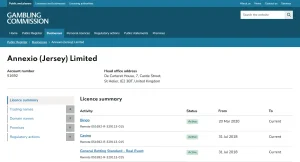
If you are considering online keno for real money, the operator’s licence matters as much as the game description. In Great Britain, an operator offering remote gambling to customers must hold the relevant licence from the UK Gambling Commission (UKGC), even if the company is based elsewhere. Online gambling is legal for players aged 18 and over when it is offered by a properly licensed operator.
The Gambling Act 2005 provides the main framework for gambling in England, Scotland and Wales; it does not apply in Northern Ireland. For a player looking for a UK-licensed keno casino, the practical check is whether the operator holds a current UKGC operating licence for the gambling it offers. A casino’s marketing language alone is not proof of that status. You can check the operator against the UKGC’s public register before creating an account or depositing.
Age checks are not an optional step to leave until later. Operators must verify a customer’s age before allowing them to deposit funds into a gambling account. Be prepared to provide information or documents needed for those checks, and do not treat an account that accepts registration as evidence that verification is complete. If the operator cannot confirm your age, it should not let you deposit.
A UKGC licence also places the operator within Britain’s regulatory safeguards. Licensed casinos must provide responsible-gambling tools, including self-exclusion, and new customers must be prompted to set a financial limit before their first deposit. Account-level limit controls must remain accessible. UKGC licensees must also offer an internal complaints process and access to an approved Alternative Dispute Resolution service if a dispute is not resolved directly.
Amatic Slots in UK Casinos: Games and Rules
Payment protections are relevant too: UK-licensed casinos cannot accept credit cards for gambling, including credit-card funding routed through a money service business. A wallet cannot be used for gambling where it allows credit-card funds to be spent. These restrictions are part of the safeguards surrounding licensed play, rather than a feature of any particular keno game.
Keno’s draw mechanism does not establish whether a site is properly regulated. Online keno uses a random number generator to select drawn numbers, but that tells you nothing about the operator’s legal status or customer protections. Check the licence and the game’s own information separately. Descriptions such as “live” do not replace those checks, nor do they establish that a specific live keno product is available.
Keno Bonuses, Multipliers and Variable Payouts
A keno bonus can sound like extra value, but the label alone tells you little about what you will receive or what you must do to qualify. An offer may be tied to a particular game or have conditions that affect when a balance can be used or withdrawn. Read the operator’s terms alongside the game rules before accepting anything; do not assume that a promotion applies to every keno game.
A specialist review mentions multiplier side bets as a feature offered by some keno games. Treat that as a game-specific option, not a standard part of keno. A multiplier may change the possible return, but it does not make a random draw predictable or ensure a payout. Check whether the side bet changes your stake, which outcomes qualify and how the game calculates the return. If those details are unclear, avoid placing the extra bet.
Do
- Read the operator’s terms before accepting bonuses
- Check if side bets change the stake or outcomes
- Verify the paytable for each individual game
Don’t
- Assume a promotion applies to every keno game
- Rely on a bonus to remove the house edge
- Compare payouts without checking the game rules
The paytable matters even when no promotion is involved. Keno rules and payouts differ between platforms, so a catch in one game may not pay the same as the same result elsewhere. Before wagering, check the specific game’s paytable, rules and odds, including what it pays for different match counts and whether any special conditions apply. Do not compare payout figures without checking that they refer to the same game and selection.
Keep the house edge in view: keno has a house edge of 25% or more. A bonus, multiplier or choice of spots does not remove that disadvantage, and no strategy guarantees a win. Consider the full cost of any extra feature, rather than focusing only on its largest advertised payout.
Claims about a no-deposit keno offer or a Bitcoin-specific promotion should be treated as unconfirmed until the operator’s current terms spell out the offer and its conditions. The same care applies when looking at a Bitcoin keno casino: check the actual game rules and paytable, and do not infer that a particular bonus or payment option is available from a headline. If the terms do not clearly explain eligibility, game restrictions and how winnings are handled, pause before opting in or wagering.
What “Live Keno” Means When You Browse Casinos
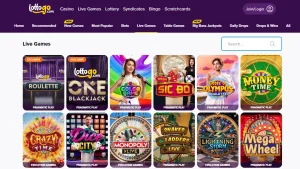
The word “live” can suggest a draw shown as it happens, but a label alone does not tell you how a particular keno game works. It might describe the way the game is presented rather than confirm that a host or physical draw is involved. Check the game’s own information before treating “live” as a description of its draw process.
Wazdan Online Casinos UK: What the Evidence Shows
In standard online keno, a random number generator selects the drawn numbers. A game may draw as many as 20, while some versions use fewer. That gives you a useful point of comparison when a casino describes a live option: look for an explanation of whether the numbers are generated by software, drawn by another method, or shown through a live broadcast. If the format is not clear, do not assume one from the name or graphics.
Keno is a number-draw game in which you choose spots and see which ones are drawn. A live presentation does not, by itself, explain how the game is run or what determines its results. Nor does the word “live” establish that the game has different odds, a different paytable or a better chance of winning. Those details belong to the specific game’s rules and information.
When comparing online casinos that offer keno, treat “live keno” as a description to verify, not a promise of a particular product. Read the rules and look for the draw format, how often a round is completed, and whether the game’s stated process matches what is shown on screen. Check the paytable and odds as well; they can differ between games and platforms.
A casino may offer ordinary online keno without offering a live-draw version. The same caution applies if a site describes itself as a bitcoin casino: the payment label does not tell you what kind of keno is available or how its draw works. Confirm the game details directly before wagering, and avoid relying on promotional wording where the rules do not explain the format.
How “Live Keno” works
Live keno may involve a live broadcast, software-generated numbers, or other methods. You should check the game’s information to confirm if the draw is conducted by a host or produced by an RNG.
Setting a Real-Money Keno Budget
Before playing keno for real money, decide what you can spend without affecting bills, essentials or other commitments. Treat that amount as a firm limit, not a target to use up. Keno has a house edge of 25% or more, so losses are possible even when you have set a careful budget. No betting approach removes that risk.
Choose a stake that fits the limit you set. A specialist review reports a minimum stake of £1, but the amount available can depend on the game. If that minimum is more than you are comfortable spending, do not deposit on the assumption that you can make it work by playing briefly. Look for a game with stakes that suit your budget, or leave real-money play for another time.
It can help to decide in advance both how much you are prepared to spend and when you will stop. Once you reach that spending limit, end the session rather than adding funds to recover a loss. Chasing losses can turn a planned expense into spending you had not agreed to. If you notice that you are changing your limit during play, pause before making another deposit.
UK-licensed remote gambling operators must offer customers financial-limit controls. They must also prompt new customers to set a financial limit before their first deposit. Use those controls to support the limit you have already chosen; they are not a substitute for deciding what you can afford.
Payment rules matter too. UK-licensed casinos cannot accept credit cards for gambling. The restriction also covers credit-card funds routed through a money service business, and operators cannot accept wallet payments when the wallet lets credit-card funds be used for gambling. Use only a permitted payment method, and avoid borrowing to fund a session.
Keep your deposit decision separate from the urge to continue after a disappointing result. If you are unsure whether a further stake fits your budget, stop and reconsider rather than paying in immediately. A limit works only when you follow it, including when the game has not gone your way.
Greentube Online Casinos in the UK: What to Verify
Playing Keno for Money: Bets and Repeat Games
When you play keno for real money, you choose a stake for the game and decide which spots to mark. The amount you choose affects how much you have at risk on that play; it does not make your selection more likely to catch. If you are learning how to play keno at a casino, treat the stake and the selection as separate choices.
Some games let you reuse the same spots across several consecutive draws, often through a multi-race option. That can save you from entering the selection again each time, but it does not improve the odds. Each game remains a separate outcome, and choosing particular spots does not influence a legitimate game’s draw. A selection that has caught before has no special advantage in the next round.
Before using a repeat-play feature, check how the stake applies to each game and how the specific option works. Reusing a selection can mean placing bets across several games without making a fresh choice each time. Make sure you understand what you have selected before confirming play, especially if you meant to play only once.
Novomatic Online Casinos UK: Amatic Slots and Spin Rules
If you want to play keno at an online casino, check the individual game’s rules, paytable and odds before wagering. Payouts vary between platforms, so the same selection and stake can lead to different payout arrangements in different games. Keno has a house edge of 25% or more; no choice of spots or repeat-play system can remove it or guarantee a win.
Keno may appear alongside slot games, but playing keno slots online does not turn a repeated selection into a strategy. The important point during play is to know what stake you have chosen and whether it applies to one game or multiple games. If the screen or rules do not make that clear, pause rather than confirming a bet you may not have intended.
What is the house edge in Keno?
Keno’s house edge can range from 5% to 40%, depending on the game and casino. Check the game’s paytable and odds before you play.
How important is it to pick the right Keno game?
It matters because rules, payouts and the house edge can vary between games. Compare the paytable and odds for the specific game before betting.
How is Keno betting done?
Choose spots on the card, set your bet, then compare your selections with the random draw. Your winnings depend on how many spots you picked and how many are drawn.
How does Multi Keno work?
Multi-race Keno lets you use the same numbers across consecutive games. It saves you from reselecting them, but does not improve your chances of winning.
How many numbers can I choose in Keno?
The number varies by game; players may be able to choose up to 10, 15 or 20 spots. Check the game instructions to see the available selection.
How do I choose a line and place a bet?
Select your spots on the card, choose your stake and start the game. You can pick numbers yourself or use an automated random selection.
How much does it cost?
Minimum stakes are £1, and you choose your bet size. Check the game’s betting options and keep within a budget you set in advance.
Material created by the team LottoGo