

A clear explanation of Curaçao casino claims, GAMSTOP coverage and the risks of gambling while an exclusion is active.
What “Online Curacao Casino” Means for a UK Player
The phrase “online Curacao casino” is often used to describe an internet casino associated with Curaçao. For a UK player, though, the label may be less important than the reason you are looking: perhaps you want to understand what kind of site you have found, or you are trying to decide whether you can gamble while an exclusion is in place.
If you have self-excluded, pause before opening an account or depositing money. A different site name or a different way of finding a casino does not cancel an existing commitment to stop gambling. Do not open another account elsewhere to work around an exclusion. Playing at a non-GamStop casino while excluded could breach the terms of your self-exclusion.
You can self-exclude from online gambling in two ways: register with GAMSTOP, or contact an individual online casino and ask to exclude yourself from that business. GAMSTOP ONLINE lets you make one request covering online gambling operators that take part in the scheme. Contacting a casino directly is the route when you want to exclude yourself from that particular business.
When you consider non-GamStop Curacao casino sites in 2026, payout timing is one practical detail to check. The entries below state the available payout-speed information for each operator.
1. NightLuck
Payout speed: 1-3 business days NightLuck is listed with a stated payout speed of 1–3 business days.
2. Dieselwin
Payout speed: 1-3 business days Dieselwin is listed with a stated payout speed of 1–3 business days.
3. SlotoSport
Payout speed: 1-3 business days SlotoSport is listed with a stated payout speed of 1–3 business days.
4. Britsino
Payout speed: 1-3 business days Britsino is listed with a stated payout speed of 1–3 business days.
5. WinBeast
Payout speed: 1-3 business days WinBeast is listed with a stated payout speed of 1–3 business days.
6. NightWin
Payout speed: 1-3 business days NightWin is listed with a stated payout speed of 1–3 business days.
7. BeOnBet
Payout speed: 1-3 business days BeOnBet is listed with a stated payout speed of 1–3 business days.
8. Revery Play
Payout speed: 1-3 business days Revery Play is listed with a stated payout speed of 1–3 business days.
9. Jetsetspins
Payout speed: 1-3 business days Jetsetspins is listed with a stated payout speed of 1–3 business days.
10. Amunbet
Payout speed: 1-3 business days Amunbet is listed with a stated payout speed of 1–3 business days.
These routes serve different purposes. A request to one casino concerns your relationship with that operator; GAMSTOP is intended to cover participating online operators through a single registration. If you are already excluded, it is important not to assume that a casino described as being in Curaçao is automatically outside your commitments or that you can safely gamble there. Check the terms of the exclusion you made, and, if you are unsure what you agreed to, contact the relevant scheme or casino rather than testing access by registering.
A person searching for a Curaçao casino may have no self-exclusion in place and simply want information. But if your interest comes from wanting a way around a block, treat that as a warning sign. The immediate choice is not between one casino and another; it is whether to honour the decision you already made. Avoid creating an account or making a deposit while you are uncertain. A search result, a casino’s description of itself or the availability of a registration form cannot change an exclusion you have agreed to.
If you want to stop gambling across online operators, use GAMSTOP. If your concern is one particular website or app, contact that casino and ask about self-exclusion. You do not need to rely on a casino’s marketing language to make that request: state clearly that you want to exclude yourself from gambling with the business and follow its instructions. If you have already taken steps to self-exclude, do not treat a different operator as a substitute for resolving the situation.
Non-GamStop European Casinos: What to Know · Online slots not on GamStop: what the phrase means
It can help to be precise about what you want when you contact a gambling business. Say that you want self-exclusion, rather than a temporary pause or a general account query. If you are unsure whether the request has been completed, ask the business to confirm the status. For wider online coverage, make a separate decision about whether to register with GAMSTOP; contacting one casino does not amount to a request covering every online operator.
The word “Curacao” can draw attention to where a casino is said to be connected, but your self-exclusion is about your decision to stop gambling and the businesses or scheme you contacted. Do not let a different label turn that decision into a loophole in your mind. If you are looking for a way to gamble despite an active exclusion, step away from the registration process and use the route that matches your intention: GAMSTOP for participating online operators, or direct contact with an individual casino.
Self-exclusion is a practical step you can take online, whether you want to address gambling across operators or with a particular casino. If an exclusion is already active, respect it rather than trying another site. If you are deciding how to stop, choose the route that reflects the scope you need and complete the request before returning to gambling.
Self-Exclusion Breach
Playing at a non-GamStop casino while excluded could breach the terms of your self-exclusion and work against the purpose of your commitment.
How GAMSTOP Works—and Who It Covers
GAMSTOP is Great Britain’s national online self-exclusion scheme. It gives you a way to ask participating online gambling operators to prevent you from using their services. Rather than contacting each covered operator separately, you make one request through the scheme. Its purpose is to help you put a barrier between yourself and online gambling accounts.
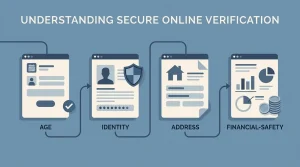
When you register, you provide personal information so your identity can be confirmed, choose how long the exclusion will last and receive confirmation. The scheme then works across participating online gambling websites and apps. GAMSTOP is free to use. An active exclusion prevents you from accessing existing gambling accounts with covered operators and from creating new ones with them.
The scheme covers online gambling operators across the UK that participate in it. For UK-licensed online operators, participation is not optional: the Gambling Commission made it compulsory from 31 March 2020. This means GAMSTOP is part of the system those operators must use to prevent registered customers from accessing their gambling accounts. It is not simply a voluntary feature offered by individual casinos.
That shared coverage is the key difference between using GAMSTOP and asking one gambling business to exclude you on its own. A request to one business concerns that business; registration with GAMSTOP is intended to apply across participating online operators. If you are looking at searches about Curacao casinos not on GAMSTOP, it helps first to understand what the scheme actually does: it is a national self-exclusion service for online gambling, linked to participating operators, not a label that describes the games or payment methods a casino offers.
Non-UK-Registered Casinos: Regulation and Risks
What happens after you register
GAMSTOP uses the personal details you provide to confirm who you are and apply the exclusion across participating operators. Those details matter because the scheme needs to identify the person whose accounts should be blocked. Once the exclusion is in place, the participating operators are expected to prevent access to current accounts and stop new accounts being created for you.
You select the duration as part of registration. The exclusion is therefore not just a reminder or a setting that asks you to pause before gambling; it is a request for participating operators to restrict your access for the period you choose. Keep the confirmation you receive so you can refer back to the decision and the details of your registration.
GAMSTOP is designed to operate across multiple online gambling businesses through a single registration. It does not mean that you are joining a casino, nor does it manage your gambling account as a customer service provider would. Its role is to communicate the self-exclusion to the operators within its coverage so they can apply the block.
Why operator participation matters
A multi-operator scheme can only work across the businesses that are required to take part. For online operators licensed by the UK Gambling Commission, the participation requirement provides that common basis. The Commission’s compulsory-participation rule has applied since 31 March 2020, making GAMSTOP a central part of online self-exclusion for UK-licensed gambling operators.
Do
- Use GAMSTOP for broad online coverage
- Provide accurate identity information
- Keep your registration confirmation
Don’t
- Contact every operator one by one
- Treat the registration as a simple reminder
- Assume it covers every possible gambling business
For you, this means registration is meant to reach across covered gambling accounts rather than depend on remembering and approaching every participating operator one by one. It is a practical way to request a broad online exclusion, with operators responsible for applying it to the accounts and services they provide.
GAMSTOP’s scope is online gambling in Great Britain. The scheme is national, but that description does not mean every gambling activity or every possible gambling business is automatically within it. The important point for this overview is that the scheme blocks access across participating licensed online gambling websites and apps, and licensed online operators are required to participate. Its coverage comes from that connection between the self-exclusion scheme and the operators subject to the requirement.
If you are considering registering, use GAMSTOP’s own service and read the information presented during registration before submitting your details. Make sure the identity information you provide is accurate, choose the duration carefully and keep the confirmation. Those steps help you understand what you have requested and the online accounts the scheme is intended to restrict.
What GAMSTOP Does Not Cover, and the Risks of Trying to Bypass an Exclusion
GAMSTOP is a multi-operator scheme: it blocks access to participating licensed online gambling websites and apps. It is not a technical barrier across every gambling site on the internet. A site that is not part of the scheme may not be blocked by GAMSTOP, but that does not make it a safe or suitable place to gamble while your exclusion is active.
Trusted Casinos Not on GamStop UK: Risks and Checks · No Account Casinos in the UK: What to Check
The phrase “Curacao casinos not covered by GAMSTOP” can sound like a straightforward way to identify somewhere you can still play. It is not a reliable guide to an operator’s status or protections. A casino’s name, payment options or claims about its location do not tell you whether it is part of GAMSTOP, whether it will respect a self-exclusion request, or whether it is appropriate for people in the UK. Those are separate issues.
More importantly, finding a site that does not block you does not cancel your commitment. Self-exclusion is a formal agreement not to gamble, and you are responsible for keeping to it. If you excluded yourself because gambling was causing harm, opening an account elsewhere to continue playing works against the purpose of that agreement. Trying another account, or turning to a non-GAMSTOP site, could also breach the terms you accepted when you self-excluded.
That risk does not depend on whether you are looking for a Curacao casino that accepts a particular payment method, such as Neteller or Skrill. A payment route cannot alter an active exclusion or make gambling consistent with a commitment not to play. Before acting on an offer or a claim that a site is “not blocked”, pause and consider what you intended the exclusion to protect you from.
Attention: A site being outside the GAMSTOP scheme does not remove your responsibility to honor a formal commitment not to gamble.
Gambling businesses must offer self-exclusion by law. That protection is meaningful when you use it with the businesses covered by the arrangement, but it cannot make the decision for you everywhere else. If you are excluded, do not open another account elsewhere to work around the restriction. You can also exclude yourself from other places where you may be tempted to gamble; the aim is to reduce opportunities to act on an urge, not to test where a block does and does not apply.
If you have already gambled while excluded, avoid treating that as a reason to keep going or to chase losses. The Gambling Commission cannot refund money you have spent gambling. You can contact the business involved about its complaints process, but do not assume that a complaint will return losses. A breach of your exclusion may be upsetting; taking a further step to gamble is not a way to undo it.
For a UK player, the practical distinction is simple: GAMSTOP blocks access across participating licensed sites and apps, while a self-exclusion remains your formal commitment wherever you might be tempted to gamble. A site being outside the scheme does not remove that responsibility. If you are searching for ways around a block, treat that as a signal to step away rather than as a reason to create another account.
Curacao Licensing and the UK Self-Exclusion Boundary
A Curacao licence and GAMSTOP answer different questions. A licence relates to the authority under which a gambling operator is permitted to operate; GAMSTOP is a self-exclusion scheme covering participating online gambling businesses. Finding a casino described as licensed in Curacao does not, by itself, tell you whether it is part of GAMSTOP.
Casino Sites Not on GamStop: A UK Guide
For customers in Great Britain, the key regulatory boundary is the UK Gambling Commission (UKGC). Remote gambling operators offering services to people in Great Britain must hold the relevant UKGC licence, wherever the business is based. A licence issued elsewhere does not replace that requirement. An operator outside the UKGC system is not a UK-licensed gambling platform.
GAMSTOP is the route for self-excluding from UK-licensed online gambling platforms. Since participation became compulsory for UKGC-licensed operators in 2020, regulated online casinos in the UK have been required to block people who have excluded themselves. This helps explain why the scheme’s reach is connected to UK licensing rather than to every website that may be accessible from a British address.
If you are checking a Curacao casino licence, keep the questions separate. A listing or licence reference associated with Curacao may relate to that operator’s claimed overseas authorisation. It does not establish that the operator holds a UKGC licence, and it does not establish that GAMSTOP covers the site. Equally, a name appearing in a licence search is not enough to determine an operator’s safety, reliability or suitability.
The phrase “Curacao-licensed casino” can also be used in different contexts, so avoid treating a label on a website as a complete answer. Check what entity the information refers to and which regulator it names. Then consider whether the business is authorised to serve customers in Great Britain under the UK system. These are distinct checks; one should not be treated as proof of the other.
Regulatory Difference
GAMSTOP applies across participating UK-licensed online platforms, whereas an overseas authorization, such as a Curacao licence, is not the same as UKGC authorisation.
If you have registered with GAMSTOP, do not assume that a site outside the UKGC system is an acceptable alternative. Your self-exclusion is a formal commitment, and gambling somewhere else while it is active may conflict with that commitment. A foreign licence does not cancel or amend your decision to exclude yourself. If you are tempted to gamble, the more relevant step is to maintain the exclusion rather than search for a site that might fall outside its coverage.
A licence-list search can therefore clarify only part of the picture. It cannot, on its own, tell you whether a particular Curacao operator is covered by GAMSTOP or determine the operator’s standing in the UK. The practical distinction is straightforward: GAMSTOP applies across participating UK-licensed online platforms, while an overseas authorisation is not the same as UKGC authorisation. Do not infer more than that from a licence label.
Assessing Casino Claims Without a “Best” List
A label such as “best Curacao casino” can sound like a useful shortcut, but it does not tell you whether a gambling business will act properly if you ask to self-exclude. A ranking may reflect a reviewer’s chosen criteria; it is not proof that an operator will prevent an excluded customer from gambling.
Online Casinos With No Sister Sites in the UK
If you are comparing claims about casinos, look past praise and promotional language. Ask whether the business clearly explains how to request self-exclusion and whether it treats the request as a serious restriction on your account. Gambling businesses must offer self-exclusion, and they must take reasonable steps to prevent a self-excluded customer from gambling. Those are more relevant questions than whether a site is described as popular, generous or highly rated.
A single gambling business can be asked to exclude you. Check whether its information tells you where to make that request and how the business will handle it. If the process is difficult to find, unclear or presented as a minor account setting, do not assume that a favourable review answers the concern. The operator’s own explanation of its procedure is more useful for this purpose than a reviewer’s general verdict.
Be careful with claims that an operator is suitable for people already excluded elsewhere. That wording can make a vulnerable moment sound like an invitation to keep gambling. If you have made a self-exclusion agreement, do not open another account elsewhere to work around it. Gambling at a non-GamStop casino could breach the terms of your existing exclusion. A new site’s marketing cannot cancel that commitment.
This is why a reliable “best Curacao casinos” list is not the right tool for someone trying to judge safeguards. Ranking individual businesses would imply that their protections had been assessed and compared. A polished description or a high placement is not enough to establish that. Instead, read what the operator says about self-exclusion and consider whether the route to making a request is clear and direct.
Assessing Casino Safeguards
- Look past promotional language and rankings
- Verify if the business clearly explains self-exclusion
- Check if the route to make a request is clear and direct
- Avoid sites that market themselves as suitable for excluded players
If you are excluded and tempted to gamble, a recommendation for a different casino is not a solution. Use the self-exclusion process with any gambling business where you may be tempted, rather than treating a review as reassurance that gambling elsewhere is safe. The meaningful distinction is not between a casino called “best” and one that is not. It is whether the business supports self-exclusion and takes reasonable steps to keep an excluded customer from gambling.
Bitcoin Payments Do Not Change an Active Self-Exclusion
A search for a Bitcoin casino connected with Curaçao may focus on how deposits are made. If you have an active self-exclusion, though, the payment method does not change the commitment you made. Bitcoin cannot cancel an agreement not to gamble, and using a different way to fund play does not make that agreement disappear.
Self-exclusion is a formal agreement with a gambling company: you ask it to stop you betting with it for a set period, and you are responsible for keeping to that commitment. The important question is not whether a casino accepts a particular currency. It is whether gambling now would go against the exclusion you agreed to follow.
Do not open an account elsewhere to work around an exclusion. Trying to gamble through a non-GAMSTOP casino while excluded could breach the terms of your self-exclusion. Searching for Curaçao casinos that mention Bitcoin does not establish that an operator is suitable for you, nor does it change the terms of an agreement you already made. A cryptocurrency payment is not a fresh start or a way to set aside your decision.
British Casinos Not on GamStop: What to Know
If you are looking at Bitcoin options because you feel drawn back to gambling, take that as a reason to pause before registering or transferring funds. Close the page and avoid making a deposit while you consider what prompted the urge. You can contact the gambling company where you self-excluded if you need to check the agreement you made. If you have excluded yourself in more than one place, the commitment applies to each relevant agreement.
This is not a judgement about how you pay. It is a practical distinction: a payment choice and a self-exclusion agreement are separate things. The first cannot remove the second. Whether a site describes itself as a Bitcoin casino or highlights another payment method, do not treat that description as permission to gamble while your exclusion is active.
If you are unsure what to do next, choose the action that keeps you away from gambling rather than testing whether a different account or payment route will work. Your exclusion remains a commitment for you to honour.
Safety Checks and Self-Exclusion at Non-GAMSTOP Sites
A payment method does not tell you whether a casino will respect a self-exclusion request. If you are looking at a Curacao casino that mentions Paysafecard, treat that as a payment claim only: it is not evidence of a safer-gambling policy or a reliable way to protect yourself. The same applies to claims that a site is safe. Look for clear, accessible information about self-exclusion and what the business does once you request it.
Self-Exclusion Request
Locate the page
Find the website’s Responsible Gambling or Safer Gambling section.
Follow instructions
Complete the self-exclusion steps as provided by the operator.
Contact support
If instructions are unclear, message customer services to request a formal exclusion.
In Great Britain, gambling businesses must offer self-exclusion by law. A business that agrees to exclude you must close your account, return any funds held in it and remove your details from its marketing databases. It must also take reasonable steps to prevent you from gambling there while the agreement applies. These are practical safeguards, not just wording for a responsible-gambling page.
Before you consider opening or using an account, check whether the operator explains how to make a self-exclusion request, how it confirms the agreement and how it handles account funds and marketing. The instructions should be easy to find, and the business should make clear how to contact it if you cannot complete the process through the site. A vague promise to “play responsibly” does not explain what happens after you ask to be excluded.
If you have already self-excluded, do not treat a site’s payment options or account controls as a reason to gamble there. Self-exclusion is a formal commitment, and trying to gamble while excluded may breach its terms. Do not open another account elsewhere to get around it. If you feel at risk of acting on the urge, step away from the site and seek support rather than testing whether its safeguards will stop you.
Keep a record of any request and the response you receive. If an account remains open, marketing continues, or funds are not returned after an agreement, contact the business and set out the issue clearly. The Gambling Commission can regulate licensed operators, but it cannot refund money you have spent gambling. That makes it important to understand what an operator’s process actually says before relying on it.
Non-UK-Regulated Casinos: UK Rules and Risks
No Paysafecard label, Curacao wording or general safety claim can substitute for a functioning self-exclusion process. Look for specific commitments about account closure, funds and marketing, and take care not to gamble while an exclusion is active.
Crypto Casinos and Your Existing Exclusion
Using cryptocurrency does not change a self-exclusion agreement. If you have formally agreed not to gamble with a company for a set period, treating a crypto casino as a different kind of site does not remove your responsibility to honour that commitment. Self-exclusion is an agreement not to gamble, and sticking to it is your responsibility.
That applies whether you are considering a casino described as Curacao-licensed, a crypto-only site or another gambling service. The payment method and the way a site presents itself do not make an active exclusion irrelevant. Do not open an account elsewhere to get around an exclusion; instead, avoid gambling while it remains in force.
UK gambling businesses must offer self-exclusion. You can ask a gambling company to stop you betting with it for an agreed period. If you are tempted to gamble in more than one place, consider excluding yourself from each business where you might be drawn back in, rather than relying on a single agreement to cover every site.
Main Conclusion
Payment methods and overseas licences do not override or cancel a formal self-exclusion commitment.
A search for Curacao-licensed crypto casinos should not distract from that immediate decision. A licence description does not tell you whether a site is included in your personal self-exclusion agreement, and the word “crypto” says nothing about whether gambling there would fit with the commitment you have made. If you are unsure whether you can keep away from gambling, do not test the boundary by depositing or creating an account.
The practical step is to pause and keep the exclusion in place. Choose barriers that cover the places where you are most likely to gamble, online or in person. If the urge feels difficult to manage, contact a gambling support service such as GamCare for help.
Trustly Searches and Self-Excluding from One Gambling Site
A search for a Curacao casino that mentions Trustly does not establish that a particular site accepts that payment method. More importantly, a payment option does not change your right to ask one gambling business to exclude you. If you want to stop using a particular website or app, you can request self-exclusion directly from that business.
Start with the site’s Responsible Gambling or Safer Gambling page. Find its self-exclusion instructions and follow the steps provided. If you cannot locate them, contact customer services and ask how to self-exclude from that specific site or app. You can make this request to one gambling business without treating it as a request to exclude yourself everywhere.
Keep the request clear: say that you want self-exclusion, rather than a short pause or a marketing preference. Self-exclusion is a formal commitment not to gamble with the business for the agreed period. Once you have entered into that agreement, you are responsible for keeping to it. Do not open another account elsewhere to get around an exclusion; gambling through a non-GAMSTOP casino while excluded may breach the terms of your self-exclusion.
Casino Types & Safety: UK Licensing and Access
Gambling businesses must offer self-exclusion, and a business serving customers in Great Britain must operate within the applicable UK regulatory framework. If the site does not explain how to make a request, or you are unsure whether your exclusion has been recorded, contact the business and keep a copy of relevant messages or confirmation. Do not assume that a Trustly logo, payment page or account setting is itself an exclusion request.
If you are already excluded from one site, pause before choosing another place to gamble. The practical step is to use the self-exclusion route on the business you want to leave, and to honour any agreement you have made.
Before You Act on “Top Curacao Casinos” Claims
A polished ranking can make choosing another casino feel like a simple next step. If you are trying to leave gambling, pause before acting on claims about which casino is “top”. A list cannot decide whether gambling is right for you, and a favourable description does not change a commitment you have made to self-exclude.
Non-Gamban Casinos in the UK: What the Label Means
Self-exclusion is a formal agreement not to gamble. It is your responsibility to keep to that agreement, even when you feel tempted to return or come across an offer that seems persuasive. Treat the urge to browse casino recommendations as a cue to step away from the page rather than continue comparing options.
If you are already registered with GAMSTOP and want to end that exclusion, contact GAMSTOP directly. A casino or a third-party ranking cannot remove you from the scheme. Make the request through the scheme itself, and take time to consider what ending the agreement would mean for you before you act.
If your aim is to stop gambling, do not open another account as a substitute for dealing with the decision in front of you. Put distance between yourself and casino promotions, and keep your self-exclusion in place if that is the commitment you have chosen. The practical next step is not to find a more convincing list; it is to follow through on the choice that protects your plans.
How does self-exclusion work?
You provide your details, choose how long the exclusion will last and receive confirmation. For online gambling, you can register with GAMSTOP to cover participating operators or contact one casino to exclude yourself from that business.
How do I return from self-exclusion?
For a GAMSTOP exclusion, contact GAMSTOP directly to request removal. A 24-hour waiting period applies, and operators may take a further 24 to 48 hours to update your status.
How long does it take for GamStop to become active after sign-up?
The 24-hour cooling-off period begins once your identity has been verified, and your exclusion remains active during that period.
How does Gamstop benefit me?
GAMSTOP can block your access to current accounts and prevent you from opening new ones with participating online gambling operators. It provides one free request for coverage across those operators.
How does a non-GamStop casino handle self-exclusion?
You can contact the casino directly and ask to exclude yourself from its services. The request covers that business; it is separate from registering with GAMSTOP.
What self-exclusion options are available at non-GamStop casinos?
You can ask an individual casino to exclude you from its services, usually through its Responsible Gambling or Safer Gambling page or by contacting customer services. For wider online coverage, you can register with GAMSTOP for participating operators.
Can a self-excluded player use a non-GamStop casino?
No—do not use another casino to work around an active exclusion. Check the terms of your exclusion and contact the relevant scheme or casino if you are unsure what it covers.
Material created by the team LottoGo